Coaching Nlp: How to Select a Accredited Life Coach
Living Coach: A State Of Mind Mentor Assists People Open Their Complete Prospective Through Favorable Believing And Durability
Meaning and Role of a State Of Mind Coach
What genuinely defines a mindset coach!.?.!? At its core, this professional is less a conventional trainer and more a navigator of the maze within. They don't simply sprinkle guidance; they unravel the twisted threads of limiting beliefs and reframe point of views that typically cage potential. Picture standing at a crossroads, not sure which path results in development-- this is where a state of mind coach steps in, wielding tools of psychology, motivation, and empathy.
Secret Functions of a Mindset Coach
- Determining psychological barriers: They help clients recognize the invisible walls constructed by worry, doubt, or previous failures.
- Crafting customized strategies that foster durability and flexibility.
- Encouraging a shift from repaired to growth-oriented thinking.
- Supporting continuous self-reflection and responsibility.
Recall the tale of the sculptor who sees a block of marble not as stone however as a concealed masterpiece. Likewise, a mindset coach sees beyond existing limitations to the untapped possible hiding underneath. Have you ever questioned how some individuals jump over obstacles with ease? Often, it's because their state of mind has actually been thoroughly shaped, like clay in the hands of a knowledgeable artisan. This transformation exceeds motivation; it's about reprogramming the internal dialogue that determines actions and reactions.
The Origins and Shifts in State Of Mind Coaching
Who first imagined that moving an individual's inner story could ripple outside to transform entire lives? The roots of frame of mind coaching trace back to early approaches and mental breakthroughs, weaving through the tapestry of human understanding about inspiration and self-perception. In the 20th century, pioneers like Carol Dweck brightened the power of a growth frame of mind-- a concept now foundational to coaching practices. However what does this mean for today's candidates?
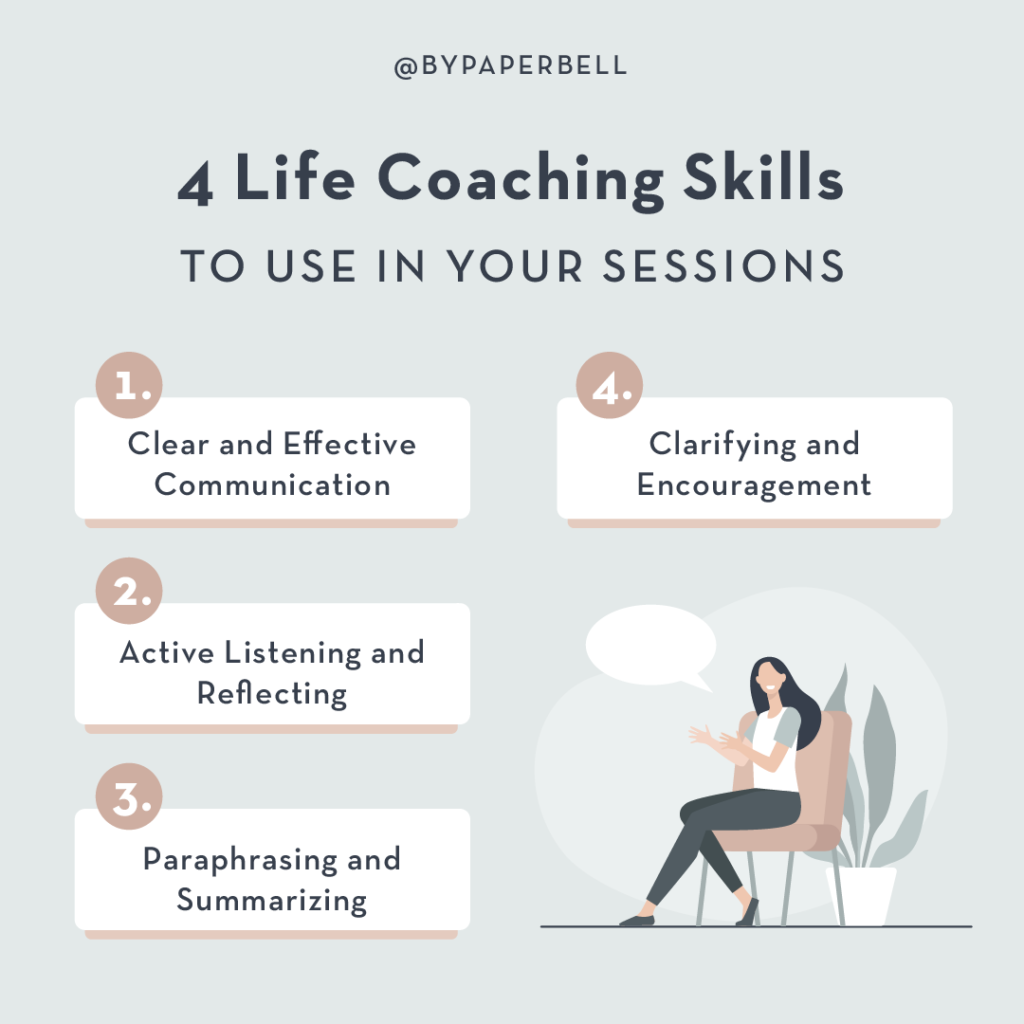
Think about the journey of an individual stuck in a loop of self-doubt, not able to advance regardless of effort. A state of mind coach does not just offer pep talks; they assist rewiring deep-seated beliefs into actionable, empowering structures. This procedure is subtle, typically undetectable initially, but powerful gradually. How numerous times have you undervalued the function of consistent, small cognitive shifts?
Secret Advancements That Shaped Frame Of Mind Coaching
- Intro of cognitive-behavioral methods highlighting thought patterns
- Integration of neuroscience revealing brain plasticity's role in behavioral change
- Growth into emotional intelligence and strength training
- Adoption of favorable psychology as a foundation for motivation techniques
Experts frequently highlight that frame of mind coaching isn't a one-size-fits-all formula but a dynamic interplay of individualized strategies. For instance, leveraging neuro-linguistic programs can open linguistic patterns that anchor new mental routines. It's the coach's ability to ask the ideal questions--" What if your Intuitive Coach present frame of mind is a story you've grown out of?"-- that sparks improvement.
Secret Principles and Methods Used
Why does the mindset shape results more than raw talent? A state of mind coach dives into the subtle interaction between thought patterns and habits, unraveling how beliefs shape truth. Think about the story of a sprinter who envisioned every millisecond before the race-- this isn't just daydreaming; it's deliberate psychological wedding rehearsal, a tested technique to enhance performance. The brain does not identify clearly pictured experiences from actual ones, making visualization an effective tool.
At the heart of mindset coaching lies neuroplasticity, the brain's ability to rewire itself. By consistently practicing brand-new cognitive habits, clients can overwrite restricting stories. However how does one break devoid of deeply deep-rooted idea loops? Here are some foundational techniques:
- Cognitive restructuring: Recognizing and challenging automated unfavorable ideas to replace them with empowering alternatives.
- Development mindset growing: Encouraging the belief that abilities can be developed through effort instead of fixed traits.
- Mindfulness training: Establishing present-moment awareness to interrupt regular responses and foster psychological regulation.
- Goal mapping: Creating brilliant, actionable strategies that line up internal inspiration with external behaviors.
- Self-compassion workouts: Lowering self-criticism to develop resilience and sustainable development.
Ever seen how a basic reframing can intensify confidence? Instead of "I stopped working," try "I am learning." This subtle linguistic twist triggers a cascade of neural modifications, making problems less difficult. Techniques like journaling with specific triggers use this neuro-linguistic programs technique, enhancing self-awareness and accelerating transformation.
Unlocking Possible Through State Of Mind Coaching
Ever felt caught in a loop of self-doubt, wondering why progress seems just out of reach? Frame of mind coaching isn't about fast fixes; it has to do with rewiring the psychological structure that governs your choices. Imagine your mind as a garden: without tending, weeds of negativity choke development. A knowledgeable state of mind coach assists you root out these weeds, planting seeds of strength and clarity rather.
Consider this: a customer as soon as explained their breakthrough as a "psychological sunrise" after months of fog. That shift? It originated from finding out to recognize restricting beliefs and challenging their narrative everyday. How often do you pause to question the stories you tell yourself?
Professional Tips to Utilize Frame Of Mind Coaching Effectively
- Draw up your repeating thought patterns to recognize ineffective loops.
- Use journaling triggers focused on thankfulness and development to boost self-awareness.
- Practice deliberate reframing-- transform "I can't" into "How can I?"
- Set micro-goals aligned with your core worths to sustain motivation.
- Engage in visualization exercises to construct neural paths for success.
The causal sequence of adopting a growth-oriented mindset manifests beyond ambition; it improves relationships, tension management, and even physical health. When you cultivate imagination, you do not simply react-- you anticipate, adapt, and prosper. Isn't it time to rethink what your mind can do?
Recognizing the Real Audience
Who truly gain from a state of mind coach!.?.!? Is it just those who feel stuck in a rut, or could it be anyone coming to grips with unseen mental barriers? Think about the business owner with brilliant ideas however disabled by worry of failure. Or the professional overwhelmed by self-doubt in spite of apparent talent. These individuals typically battle with undetectable mental obstructions that screw up development.
State of mind coaching stands out when customized to those who:

- Struggle to keep consistent inspiration despite external success
- Face repeating unfavorable self-talk that stalls growth
- Desire to reframe deeply deep-rooted thought patterns
- Seek to develop psychological resilience beyond surface-level fixes
Professional Tips for Pinpointing Your Audience
- Evaluate emotional triggers instead of simply behavioral symptoms
- Look for patterns of avoidance or procrastination connected to fear
- Evaluate readiness for deep internal work, not just quick fixes
- Consider their capacity to welcome vulnerability as a strength
Ever discovered how a moment of clarity can unwind years of psychological mess? That development often occurs when a mindset coach guides clients through layered self-reflection strategies, discovering surprise narratives that restrict capacity. The subtle art of asking "Why?" repeatedly, peeling back layers like an onion, reveals realities that standard coaching may miss.
Training and Certification for State Of Mind Coaches
What really separates a casual consultant from a licensed mindset coach!.?. !? It's not practically interest or good objectives-- it has to do with rigorous training that hones important abilities. Imagine navigating the maze of human idea patterns without a compass. Without correct certification, coaches may accidentally guide clients into deeper confusion rather than clearness.
Training programs often weave together psychology, neuroscience, and behavioral science, crafting a formidable toolkit. This isn't simple theory; it's useful, hands-on knowing. Mastering strategies like cognitive reframing or psychological policy requires more than reading-- it requires deliberate practice and feedback.
Necessary Parts of Effective Training
- Deep understanding of neuroplasticity and its effect on habits change
- Advanced communication skills tailored to client-specific narratives
- Ethical frameworks that safeguard both coach and customer
- Use of evidence-based methodologies such as CBT and mindfulness integration
Consider this: How often do coaches review their own frame of mind? A qualified coach accepts continuous self-assessment, knowing that personal development fuels expert excellence. This cyclical procedure ensures they do not simply teach change-- they embody it.
Unwinding Mental Blocks: The Invisible Shackles
Ever felt stuck regardless of understanding what to do? That's the surprise trap lots of face. A state of mind coach dives deep, peeling back layers to expose these mental knots-- frequently woven from years of self-doubt or fear masquerading as care. Think of attempting to run with undetectable weights wrapped around your ankles. What if the essential lies not in pressing harder however in loosening those chains?
Some discover themselves trapped in a loop of indecision-- paralyzed by the "what ifs" that echo louder than reason. Tackling this requires more than pep talks; it requires tailored cognitive exercises and reframing methods that shift viewpoints from barriers to opportunities.
Expert Tips for Navigating Mental Roadblocks
- Determine repeating unfavorable patterns through journaling or voice memos.
- Practice "thought-stopping" to obstruct and redirect invasive doubts.
- Usage visualization to pre-experience success scenarios, rewiring the brain's response.
- Participate in micro-habits that build strength incrementally-- small steps develop seismic shifts.
- Difficulty automated beliefs by asking, "Is this idea fact or fiction?"
Why do some individuals turn obstacles into springboards while others spiral? The response often depends on frame of mind recalibration, not circumstances. A coach guides this transformative journey, sculpting brand-new neural paths that promote self-confidence and clearness. Sometimes, the most profound developments come from questions that unsettle rather than comfort: What story are you informing yourself, and what if it's time to rewrite it?
State of mind Coaching vs. Other Coaching Types
Why does mindset coaching typically hit deeper than conventional coaching methods? It's since mindset coaching targets the invisible architecture of idea-- the beliefs and psychological habits forming every action. Unlike skill-based or efficiency coaching, which focus on "what" to do, mindset coaching asks, " How do you consider what you do?" Think of a runner who continually questions their stamina in spite of extensive training; state of mind coaching rewires that inner discussion to unlock unseen reserves of strength.
Many coaching designs concentrate on external goals, but state of mind coaching peels back layers to expose subconscious obstructs that sabotage development. It's not practically setting goals; it's about changing the mental filters that distort reality. This subtle shift typically feels like a discovery-- like discovering a concealed door in a familiar space.
Professional Strategies to Harness Mindset Coaching
- Use cognitive reframing to flip restricting beliefs into empowering narratives.
- Practice purposeful reflection with journaling prompts targeting believed patterns.
- Apply visualization strategies that engage numerous senses, not just images.
- Incorporate mindfulness workouts to increase awareness of automatic thoughts.
- Utilize targeted affirmations that resonate on an individual, genuine level.
Could it be that this internal recalibration is what separates short lived motivation from lasting transformation? When customers share stories of advancement, it's often the moment they realize their mindset was the genuine barrier, not the external scenarios. How typically do we error surface-level signs for source? Frame of mind coaching dares to venture beyond the apparent, into the labyrinth of self-perception and belief.
Emerging Horizons in Frame Of Mind Coaching
What if the future of state of mind coaching isn't about just shifting thoughts, but rewiring the extremely neural pathways? Think of a coach who uses biofeedback tools to find subconscious resistance before it manifests as self-sabotage. This isn't sci-fi-- it's the developing edge of cognitive enhancement. Remember the story of a client stuck in a loop of doubt, who broke complimentary after integrating virtual truth situations that simulated success? That immersive method rewired their approach faster than standard talk therapy.
Specialists anticipate:
- Combination of AI-driven analytics for personalized state of mind mapping
- Neuroplasticity-focused workouts developed for quick psychological shifts
- Hybrid coaching models blending human intuition with digital accuracy
Accuracy in Identifying Mental Barriers
Pinpointing the specific mental block-- typically hidden beneath layers of conditioned beliefs-- remains a subtle art. Coaches will increasingly rely on psychometric data integrated with conversational AI to unearth these deep-seated beliefs. What's remarkable is how subtle language patterns reveal established narratives, a strategy borrowed from advanced NLP. This lets coaches tailor interventions with surgical accuracy.
Expert Tips for Navigating This Evolution
- Accept constant learning in neuroscience and AI to stay ahead.
- Practice active listening with an eye for linguistic hints that mean surprise doubts.
- Use innovation not as a crutch, however as a magnifier of human insight.
- Foster resilience by encouraging customers to reframe problems as information points, not decisions.